.webp)
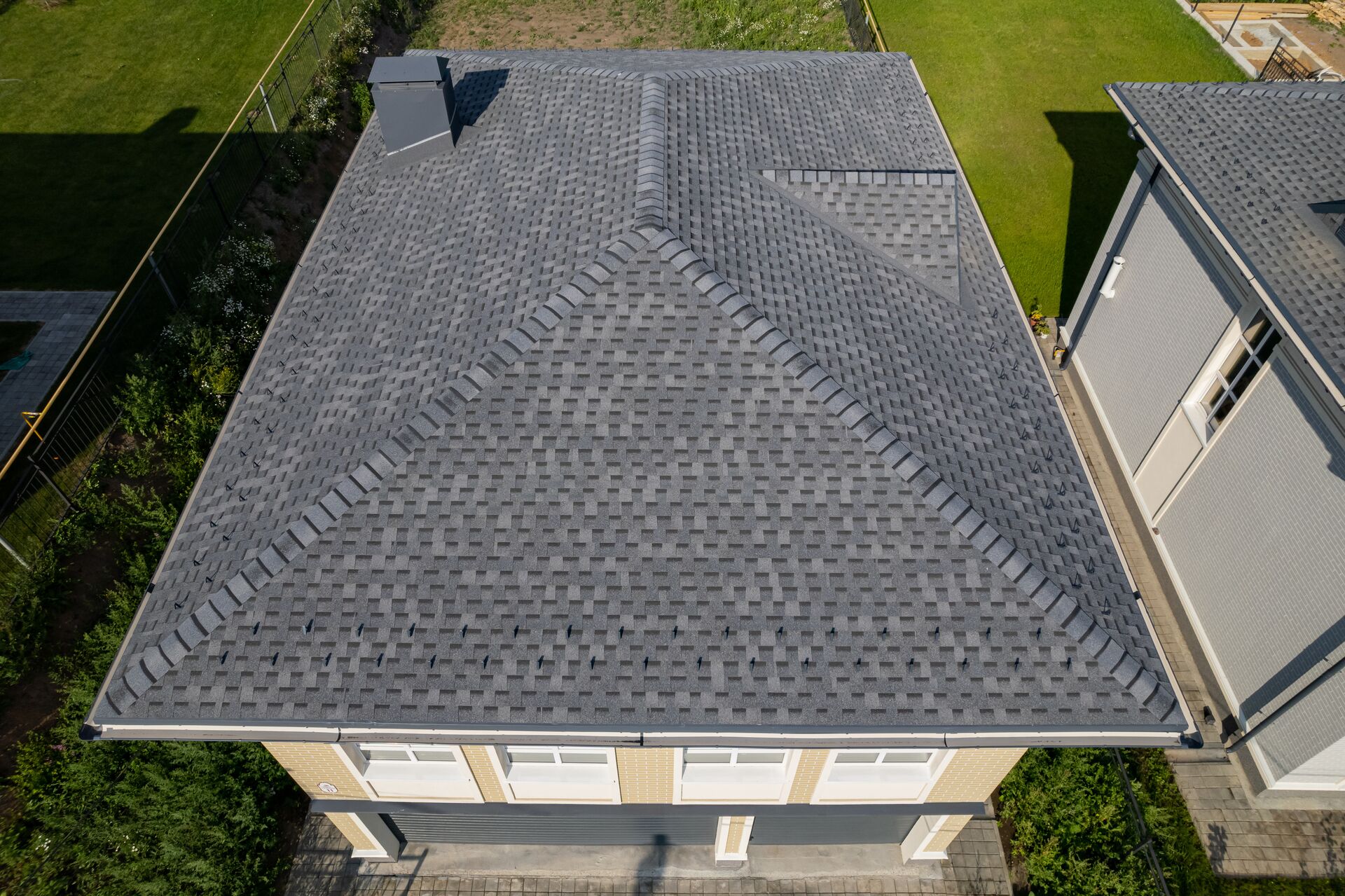
How Summer Thunderstorms Weaken Your Roof Over Time
A homeowner in Hilton Head Island felt confident their roof could handle anything summer weather brought its way. The roof was only a few years old, and after every thunderstorm, everything looked fine from the ground. Even when intense winds rattled the windows and heavy rain poured for hours, they assumed there was nothing to worry about.
Months later, they noticed a faint water stain on the ceiling. Then came a musty smell in the attic. After a professional inspection, they learned that repeated summer storms had slowly damaged flashing, loosened shingles, and allowed moisture to seep beneath the roofing system. What started as minor summer storm roof damage had quietly developed into a much larger and more expensive problem.
This situation is more common than many homeowners in Coastal South Carolina realize. Summer weather can create hidden roofing issues, even for newer homes. Understanding how storms affect your roof can help you catch problems earlier and avoid costly repairs later.
This guide explains how summer storm roof damage develops and what homeowners can do to protect their property.
The Toll Your Coastal SC Roof Pays
Your Hilton Head Island roof faces strong thunderstorms, high humidity, heavy rainfall, and occasional tropical systems that all place stress on its materials. While a single storm may not cause obvious problems, repeated exposure can slowly wear down even a well-built roof.
One of the biggest concerns is cumulative damage. Wind can loosen shingles little by little through multiple storms. Heavy rain may push moisture into tiny gaps around flashing, vents, or roof penetrations. Debris carried by storms can scratch or weaken roofing materials without creating visible holes right away.
Eventually, this constant exposure leads to storm wear on a roof that homeowners may not notice until leaks or interior damage appear. Wind and rain roof damage often starts small but becomes more serious after months of repeated storms.
The Importance of Regular Roof Inspections
Many roofing problems begin as small issues that are easy to miss. A lifted shingle, cracked sealant, or slightly damaged flashing may not seem urgent at first. However, once water starts working its way beneath roofing materials, the damage can spread quickly.
Small leaks can eventually affect insulation, drywall, attic ventilation, and wood framing. By the time homeowners notice stains or moisture indoors, repairs may already be much more extensive. That’s why routine roof inspections are so valuable, especially after severe summer weather. Professional inspections can uncover hidden signs of summer storm roof damage before they become larger structural problems.
We’ll Ensure Your Home Stays Protected
At JW Roofing, we help homeowners throughout Hilton Head Island and Coastal South Carolina stay ahead of storm-related roofing problems with thorough roof inspections and dependable service.
Our inspection process looks closely at shingles, flashing, vents, drainage systems, sealants, and other critical roofing components that may be vulnerable to summer storm roof damage. We also inspect for hidden moisture intrusion, signs of aging, and storm-related wear that could lead to future leaks.
Even if your roof appears to be in good condition, inspections can reveal issues that aren’t obvious from the ground. Identifying problems early allows homeowners to make repairs before they turn into more expensive damage.
Protect Your Home From Summer Storm Roof Damage
Don’t wait for hidden leaks that lead to major repairs. JW Roofing provides professional roof inspections and storm damage evaluations for homeowners throughout Hilton Head Island and surrounding communities. Call our team today to schedule an inspection so we can help protect your home through every storm season.