.webp)
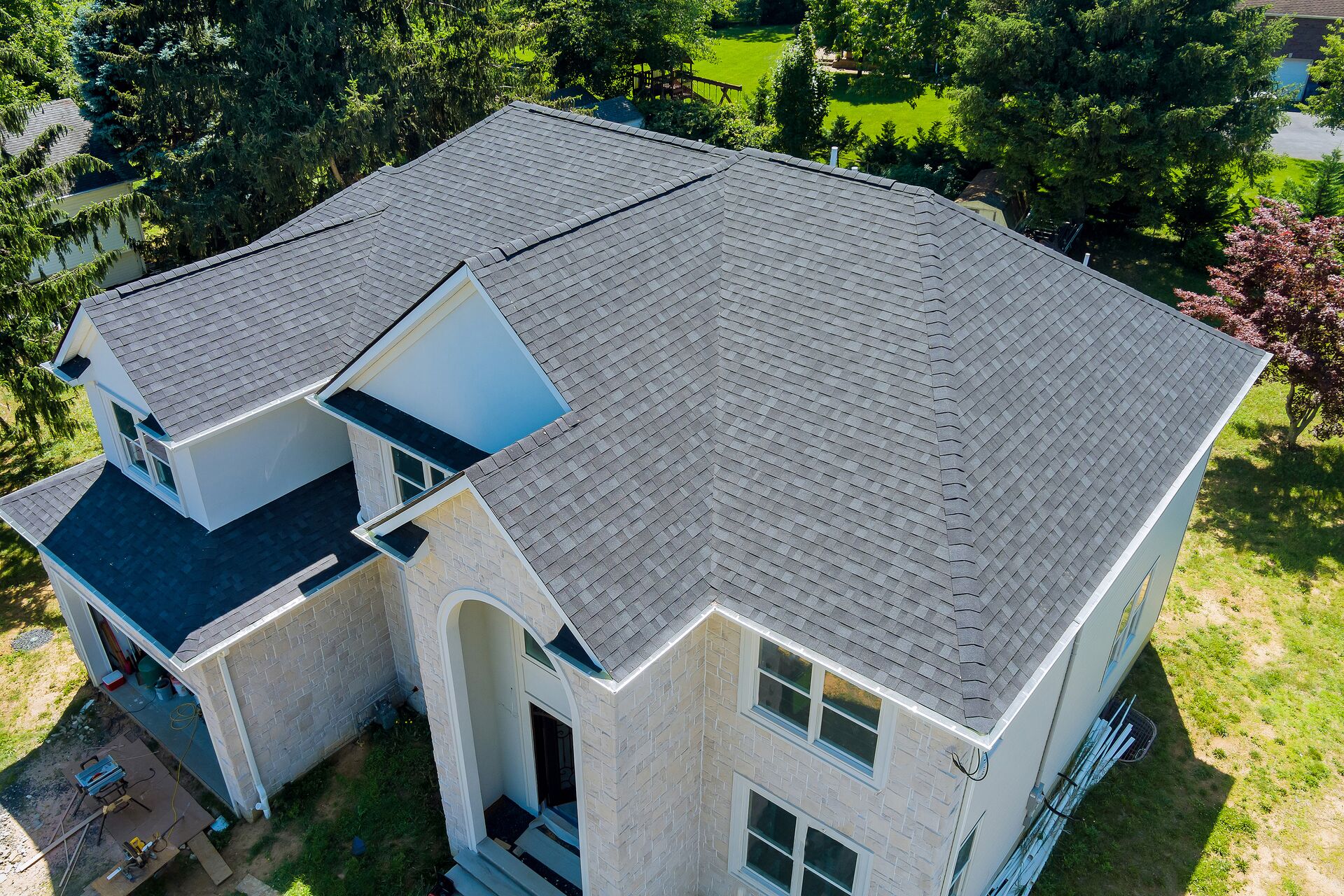
How Roof Flashing Prevents Leaks
Even though you’re a homeowner, you’re not necessarily familiar with roof flashing or why it’s so important. Most people focus on shingles or panels when thinking about their roof, but flashing plays a key role in keeping your home dry. Without proper roof flashing, even a newer roof can develop leaks.
This article breaks down what roof flashing is, where it’s used, and why it’s especially important in a coastal area like Hilton Head Island, South Carolina. Understanding how it works can help you spot roofing issues early and avoid costly water damage.
What Is Roof Flashing?
Roof flashing is a thin material, usually made of metal, installed in areas where your roof is most vulnerable to water intrusion. It acts as an extra barrier that directs water away from seams and joints.
You’ll usually find roof flashing installed around chimneys, vents, skylights, and along roof valleys. These are the spots where water naturally collects or flows. Without flashing, water can seep into small gaps and eventually make its way into your home.
Roof flashing plays a critical role in protecting your home from water damage. It seals off areas where leaks often start and helps your roofing system perform as a whole.
Why Flashing Is Critical in Hilton Head Island
In Hilton Head Island, your roof deals with more than just occasional rain. Coastal storms, heavy downpours, and high humidity all put extra stress on your roofing system.
That’s why roof flashing is so important in this area. Frequent storms can quickly expose weak points, especially around penetrations like vents and chimneys. If flashing is loose, damaged, or improperly installed, water can get in fast.
Salt air can also affect metal components over time. Regular inspections and proper installation help prevent corrosion and keep your flashing working the way it should.
Why Roof Flashing Is Checked During Inspections
When JW Roofing provides a roof inspection, the focus isn’t just on the shingles. Checking roof flashing is a key part of our inspection process because it’s often where leaks begin.
During an inspection, our team will look for signs of rust, gaps, lifting, or damaged sealant around flashing areas. Even small issues can lead to bigger problems if left alone.
If you’ve noticed water stains, damp spots, or musty odors inside your home, flashing could be part of the problem. Scheduling a roof inspection with JW Roofing so we can catch these issues early can save you from more expensive repairs later.
Roofing Systems Built With Proper Flashing
When it’s time to replace your roof, working with an experienced roofing company can make a noticeable difference in the results. JW Roofing installs complete roofing systems designed to provide long-term performance in coastal conditions.
We specialize in GAF Timberline HDZ® asphalt shingle systems, where proper roof flashing is a key part of the installation. Every detail matters, from how flashing is placed to how it’s sealed around roof features.
We also install durable metal roofing systems, including metal shingles and slate, metal tile, metal shake, and vertical panels. These systems are built to handle the elements while protecting vulnerable areas with properly installed flashing.
Our team includes licensed and trained professionals who understand what it takes to protect homes in Hilton Head Island. We stand behind our work with strong warranty protection and offer financing options to make your project more manageable.
Is Your Roof’s Flashing Doing Its Job in Hilton Head Island, SC?
If you’re unsure about the condition of your roof flashing, it’s worth having it checked before problems get worse. Small issues can turn into leaks quickly, especially in a coastal climate.
Call JW Roofing today to schedule an inspection of the roof on your Hilton Head Island, SC, home.